
RESULTADO DE ANÁLISE
f36r.4
[ORG] podaiir.cphy.qoypchol.rom<->cy<->chy.dchy.fchom.dar
[ACA]
-
podaiir = carga em recipiente mantida em condição de ar (aeração controlada)
-
cphy = componente da família CPH sob foco direcional (porção/parte do lote)
-
qoypchol = meio filtrante / coador selecionado (filtro especificado do passo)
-
rom<->cy<->chy = [<->] grupo ambíguo:
-
rom = [UNK] (sem verbete direto)
-
cy = conector curto “que/quem” (também aparece como slot variável no léxico)
-
chy = seletor de alvo (“quem/qual” é o destino/parâmetro)
-
-
dchy = [UNK→HIP] provável variante truncada de DCHYD (“fração decantada/clarificada”), mas ainda não canônico
-
fchom = mistura base / composto (massa matriz do processo)
-
dar = passo “dare” (entregar/dosar/aplicar no fluxo)
[FUN]
Mantenha a carga arejada de forma controlada. Direcione o componente CPH para o meio filtrante selecionado, passando a mistura pelo coador para separar/limpar a fase útil. Em seguida, fixe o alvo do passo (o “para quem/qual”) e processe a fração indicada (dchy está como hipótese de fração clarificada/decantada). Trabalhe essa fração junto da mistura base (FCHOM) e então entregue/dose no fluxo conforme o comando DAR.
f36r.5
[ORG] daiin.qor.chol.ctholy.s<->o<->r<->chy.sy<->chytaroiin
[ACA]
-
daiin = estado fixado/assentado (família D-)
-
qor = acoplar (conector de interface direcional, etapa→etapa)
-
chol = ponte instrumental “com/por meio de” (col/con)
-
ctholy = “capítulo/segmento selado/fechado” (fecho em modo ativo)
-
s<->o<->r<->chy = [<->] recomposição mais estável como:
-
sor = cabeçalho/ponte “sobre / tópico do bloco”
-
chy = seletor de alvo (destinação)
-
-
sy<->chytaroiin = [<->]:
-
sy = [UNK]
-
chytaroiin = tarar/calibrar medida (aferição de peso/volume)
-
[FUN]
Declare o lote em estado fixado e acople a interface para manter a sequência sem quebra. Execute o próximo passo por meio do instrumento/meio indicado (CHOL). Mantenha o segmento selado/fechado enquanto opera este bloco. Em seguida, trate o trecho como “tópico do bloco” (SOR) e defina o alvo (CHY) ao qual a ação se aplica. Por fim, execute a calibração (tara/aferição) com precisão (CHYTAROIIN). O token SY permanece sem definição canônica nesta versão e fica registrado como pendência.
f36r.6
[ORG] okaiin.cthor.ykaiiin.s<->dain.an<->dan
[ACA]
-
okaiin = estado fixado/selado (marca -AIIN; estase/controle)
-
cthor = [UNK] (não há verbete direto; possível proximidade com CTHORY/CTHORCHY, mas não assumido)
-
ykaiiin = “então, deixe estabilizar / registre o estágio estabilizado”
-
s<->dain = [<->]:
-
dain = genitivo curto “do/da” (ponte de origem/pertencimento)
-
o s isolado não é canônico (fica como parte da ambiguidade do grupo)
-
-
an<->dan = [<->]:
-
an = conector curto (“e/em/ao”, cola dois blocos)
-
dan = fecho de micro-dose / porção entregue (encerra a etapa de dosagem)
-
[FUN]
Mantenha o lote em OKAIIN (selado/fixado) e opere o trecho CTHOR como ponto ainda não resolvido (pendência de léxico). Em seguida, deixe estabilizar e trate o estágio como alcançado (YKAIIN). Use DAIN para ligar o que vem “do/da” etapa anterior (ponte de procedência) e mantenha continuidade com AN, fechando a entrega com DAN (micro-dose final que encerra o passo).
f36r.7
[ORG] qotol.cthol.okol.dy.okchy<->ytorory<->sold
[ACA]
-
qotol = aplicar/dosar/introduzir o componente seguinte no fluxo (imperativo)
-
cthol = marcador de bloco/lote (processar subpassos “em bloco”, sem quebrar)
-
okol = estabilizar/deixar assentar (condição pronta para decantar/seguir)
-
dy = ponte “de/do/da” (genitivo/preposicional)
-
okchy<->ytorory<->sold = [<->]:
-
okchy = [UNK] (há proximidade com OKCHYD no léxico, mas não é o mesmo token)
-
ytorory = [HIP] reconstrução morfológica plausível:
Y- + TOROR + -Y→ operação contínua ligada a TOROR (torrar/calcinar leve). Não canônico, registrado como hipótese. -
sold = massa de junta / base sólida de união (“solda”, dá corpo/coesão)
-
[FUN]
Aplique/dose o próximo componente (QOTOL) e trate a sequência como um bloco único (CTHOL). Deixe o lote assentar/estabilizar (OKOL) antes do próximo acoplamento. Em seguida, execute a ligação “de/do/da” (DY) para marcar origem/pertencimento do gesto. O trecho OKCHY/ YTORORY permanece como pendência (com hipótese de “torrar/calcinar em curso” para YTORORY), mas o fechamento do bloco é claro: aplique SOLD como massa de união, dando corpo e coesão ao conjunto até não separar.
f36r.8
[ORG] ytchor.cthol.chaiin.yd
[ACA]
-
ytchor = toque/prova/ensaio (teste de ponto/qualidade)
-
cthol = bloco/lote (marcador de subsequência)
-
chaiin = [UNK] (forma com -AIIN sugere “estado fixado”, mas sem verbete direto)
-
yd = [UNK] (não canônico como token isolado)
[FUN]
Realize um ensaio de qualidade (YTCHOR) dentro do bloco operacional (CTHOL), verificando o “ponto” do material antes de seguir. Os marcadores CHAIIN e YD permanecem sem resolução canônica nesta versão; por forma, CHAIIN sugere marca de fixação/estado, mas não é afirmado aqui.
f36r.9
[ORG] ytodaly.daiin.otaro<$>
[ACA]
-
ytodaly = [MAP] mapeado por heurística para YTODAL (tempo-alvo / duração prescrita do passo)
(token não canônico como YTODALY; o núcleo canônico no léxico é YTODAL) -
daiin = estado fixado/assentado (família D-)
-
otaro = tarar/calibrar medida (aferição de peso/volume)
[FUN]
Mantenha o passo pelo tempo exato prescrito (tempo-alvo do procedimento). Ao término, declare o lote em estado fixado (DAIIN) e execute a calibração final de medida (OTARO) para controle e repetibilidade.
Síntese procedural do trecho (leitura reconstruída)
Este bloco descreve, com forte assinatura procedural:
aeração controlada → filtração selecionada → fixação/selagem e estabilização → acoplamento por interface/instrumental → calibração (tara) → dosagem em bloco + assentamento → aplicação de massa de união (SOLD) → teste de ponto/qualidade → temporização prescrita + calibração final.
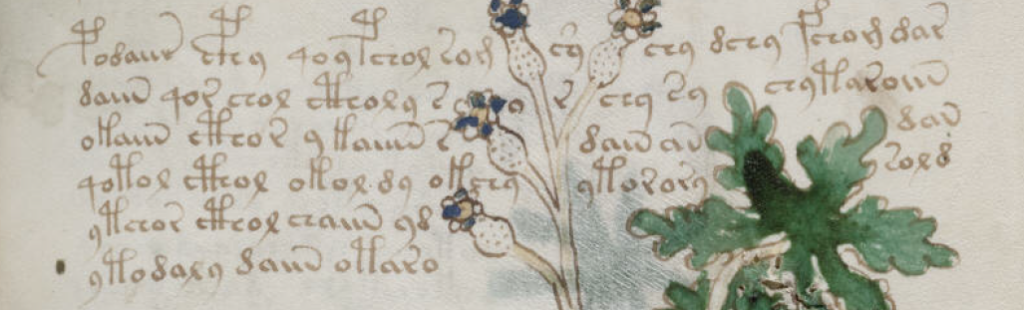
<f36r.4,+P0> <%>podaiir.cphy.qoypchol.rom<->cy<->chy.dchy.fchom.dar
<f36r.5,+P0> daiin.qor.chol.ctholy.s<->o<->r<->chy.sy<->chytaroiin
<f36r.6,+P0> okaiin.cthor.ykaiiin.s<->dain.an<->dan
<f36r.7,+P0> qotol.cthol.okol.dy.okchy<->ytorory<->sold
<f36r.8,+P0> ytchor.cthol.chaiin.yd
<f36r.9,+P0> ytodaly.daiin.otaro<$>
ANALYSIS RESULT
f36r.4
[ORG] podaiir.cphy.qoypchol.rom<->cy<->chy.dchy.fchom.dar
[ACA]
-
podaiir = load in a container kept under air conditions (controlled aeration)
-
cphy = component from the CPH family under directional focus (portion/part of the batch)
-
qoypchol = filtering medium / strainer selected (step-specific filter)
-
rom<->cy<->chy = [<->] ambiguous group:
-
rom = [UNK] (no direct entry)
-
cy = short connector “that/who” (also appears as a variable slot in the lexicon)
-
chy = target selector (“who/which” is the destination/parameter)
-
-
dchy = [UNK→HYP] likely a truncated variant of DCHYD (“decanted/clarified fraction”), but still not canonical
-
fchom = base mixture / compound (process matrix mass)
-
dar = “dare” step (deliver/dose/apply into the flow)
[FUN]
Keep the load aerated in a controlled way. Direct the CPH component to the selected filtering medium, running the mixture through the strainer to separate/clean the useful phase. Then lock in the step target (the “for whom/which”) and process the indicated fraction (dchy remains a hypothesis for a clarified/decanted fraction). Work this fraction together with the base mixture (FCHOM) and then deliver/dose into the flow per the DAR command.
f36r.5
[ORG] daiin.qor.chol.ctholy.s<->o<->r<->chy.sy<->chytaroiin
[ACA]
-
daiin = fixed/settled state (D- family)
-
qor = couple/link (directional interface connector, step→step)
-
chol = instrumental bridge “with/by means of” (col/con)
-
ctholy = “sealed/closed chapter/segment” (closure in active mode)
-
s<->o<->r<->chy = [<->] more stable recomposition as:
-
sor = header/bridge “about / topic of the block”
-
chy = target selector (destination)
-
-
sy<->chytaroiin = [<->]:
-
sy = [UNK]
-
chytaroiin = tare/calibrate measurement (weight/volume gauging)
-
[FUN]
Declare the batch in a fixed state and couple the interface to keep the sequence unbroken. Execute the next step by means of the indicated instrument/medium (CHOL). Keep the segment sealed/closed while operating this block. Then treat the passage as the “block topic” (SOR) and set the target (CHY) to which the action applies. Finally, perform the calibration (tare/gauging) precisely (CHYTAROIIN). The token SY remains without a canonical definition in this version and is logged as an open item.
f36r.6
[ORG] okaiin.cthor.ykaiiin.s<->dain.an<->dan
[ACA]
-
okaiin = fixed/sealed state (mark -AIIN; stasis/control)
-
cthor = [UNK] (no direct entry; possible proximity to CTHORY/CTHORCHY, but not assumed)
-
ykaiiin = “then, let it stabilize / register the stabilized stage”
-
s<->dain = [<->]:
-
dain = short genitive “of/from” (origin/ownership bridge)
-
the isolated s is not canonical (kept as part of the group ambiguity)
-
-
an<->dan = [<->]:
-
an = short connector (“and/in/to”, glues two blocks)
-
dan = micro-dose closure / delivered portion (ends the dosing sub-step)
-
[FUN]
Keep the batch in OKAIIN (sealed/fixed) and treat CTHOR as an unresolved point for now (lexicon pending). Then let it stabilize and treat the stage as reached (YKAIIN). Use DAIN to link what comes “of/from” the previous step (provenance bridge) and maintain continuity with AN, closing the delivery with DAN (a final micro-dose that ends the step).
f36r.7
[ORG] qotol.cthol.okol.dy.okchy<->ytorory<->sold
[ACA]
-
qotol = apply/dose/introduce the next component into the flow (imperative)
-
cthol = block/batch marker (process sub-steps “as a block,” without breaking)
-
okol = stabilize/let settle (ready condition for decanting/continuation)
-
dy = “of/from” bridge (genitive/prepositional)
-
okchy<->ytorory<->sold = [<->]:
-
okchy = [UNK] (near OKCHYD in the lexicon, but not the same token)
-
ytorory = [HYP] plausible morphological reconstruction:
Y- + TOROR + -Y→ continuous operation linked to TOROR (light roasting/calcining). Not canonical, logged as a hypothesis. -
sold = joint mass / solid base of union (“solder”), gives body/cohesion
-
[FUN]
Apply/dose the next component (QOTOL) and treat the sequence as a single block (CTHOL). Let the batch settle/stabilize (OKOL) before the next coupling. Then execute the “of/from” link (DY) to mark origin/ownership of the action. The OKCHY / YTORORY segment remains pending (with a hypothesis of “roast/calcine in progress” for YTORORY), but the block closure is clear: apply SOLD as a bonding mass, giving body and cohesion until it no longer separates.
f36r.8
[ORG] ytchor.cthol.chaiin.yd
[ACA]
-
ytchor = touch/probe/assay (point/quality test)
-
cthol = block/batch (subsequence marker)
-
chaiin = [UNK] (form with -AIIN suggests “fixed state,” but no direct entry)
-
yd = [UNK] (not canonical as an isolated token)
[FUN]
Perform a quality assay (YTCHOR) within the operational block (CTHOL), checking the material’s “point” before proceeding. The markers CHAIIN and YD remain without canonical resolution in this version; by form, CHAIIN suggests a fixation/state marker, but that is not asserted here.
f36r.9
[ORG] ytodaly.daiin.otaro<$>
[ACA]
-
ytodaly = [MAP] heuristically mapped to YTODAL (target time / prescribed step duration)
(token not canonical as YTODALY; the canonical core in the lexicon is YTODAL) -
daiin = fixed/settled state (D- family)
-
otaro = tare/calibrate measurement (weight/volume gauging)
[FUN]
Hold the step for the exact prescribed duration (procedure target time). At the end, declare the batch in a fixed state (DAIIN) and perform the final calibration (OTARO) to ensure control and repeatability.
Procedural synthesis of the passage (reconstructed reading)
This block describes, with a strong procedural signature:
controlled aeration → selected filtration → fixation/sealing and stabilization → interface/instrumental coupling → calibration (tare) → block dosing + settling → application of bonding mass (SOLD) → point/quality test → prescribed timing + final calibration.