
RESULTADO DE ANÁLISE
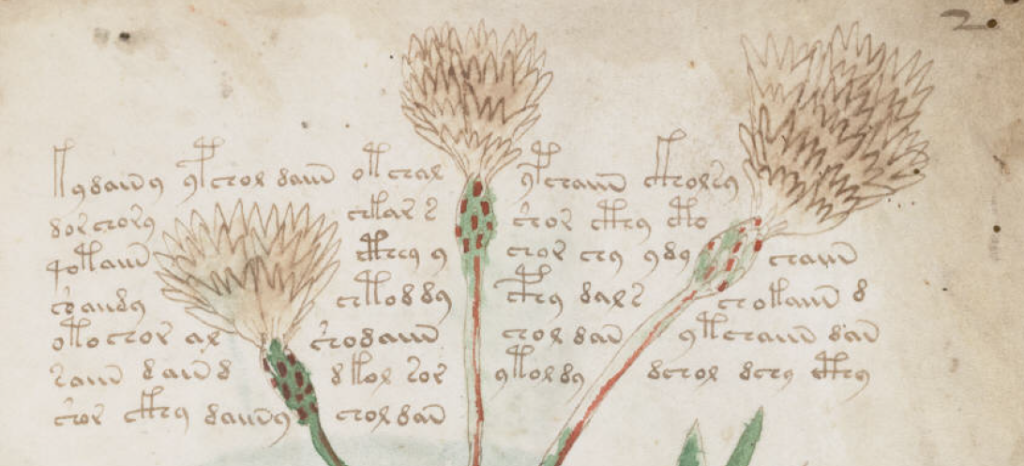
Linha f2r.1
[ORG] kydainy.ypchol.daiin.otchal<->ypchaiin.ckholsy
[ACA]
-
kydainy = trabalho no lote em modo operativo (núcleo KY + estado/continuidade; CONF média)
-
ypchol = direcionamento por via instrumental (funil/conduto/ponte CHOL) (YP- como modo “aplique/encaminhe”)
-
daiin = estado fixado/assentado (-AIIN)
-
otchal<->ypchaiin = [ALT]
-
OTCHAL = passo instrumental neutro (“via/ponte de transferência”, frequentemente associado a CHOL/CHAL)
-
YPCHAIIN = via CHAI em estado fixado (-AIIN) (ponte de fixação/ancoragem)
-
-
ckholsy = prova/controle de fluxo no conduto (CKH- controle + CHOL- via + -SY marcador de teste)
[FUN]
Processe o lote até atingir estado fixado. Use a via YPCHOL (funil/ponte instrumental) para conduzir a mistura ao ponto de assentamento. Em seguida, execute o módulo alternativo:
-
Leitura A: aplique OTCHAL como passo instrumental neutro (transferência controlada).
-
Leitura B: aplique YPCHAIIN como ponte de fixação (transferência já em estado fixado).
Finalize com CKHOLSY: um teste/controle de vazão/fluxo no conduto antes de avançar.
Linha f2r.2
[ORG] dorchory<->chkar.s<->shor.cthy.cth
[ACA]
-
dorchory<->chkar = [ALT]
-
DORCHORY = repetição de ciclo rítmico (rotina de repetição/retorno)
-
CHKAR = controle/checagem (ato de inspeção) (pode estar substituindo o ciclo como comando principal)
-
-
s<->shor = [ALT]
-
S = marcador curto/abreviação (ponto de pausa/slot) (instável)
-
SHOR = abrir/soltar/ventilar (liberar passagem)
-
-
cthy = ponte de transição/encadeamento (conector procedural)
-
cth = núcleo conector (ligação curta; “nó” de conexão) (mínimo, mas recorrente)
[FUN]
Execute o passo como um dos dois modos:
-
Leitura A (ciclo): repita a rotina (DORCHORY) e, em seguida, aplique SHOR para abrir/ventilar, mantendo a transição (CTHY) e o nó de conexão (CTH) ativos.
-
Leitura B (controle): faça checagem/controle (CHKAR) e então aplique o passo de abertura/ventilação (SHOR), com encadeamento por CTHY/CTH.
O elemento s é mantido como slot instável quando aparece sozinho.
Linha f2r.3
[ORG] qotaiin<->cthey.y<->chor.chy.ydy<->chaiin
[ACA]
-
qotaiin<->cthey = [ALT]
-
QOTAIIN = modo comando em estado fixado (QOT- + -AIIN) → “execute e fixe”
-
CTHEY = marcador de etapa/operador ordinal (“subpasso controlado”)
-
-
y<->chor = [ALT]
-
Y = conector curto (“e/então”) (derivado)
-
CHOR = movimento/ciclo/ação de condução (ponte ativa)
-
-
chy = seletor de alvo/ponte curta (direciona o comando para um alvo/slot)
-
ydy<->chaiin = [ALT]
-
YDY = derivativo/origem curto (ponte “de/da” compacta)
-
CHAIIN = estado fixado (núcleo CH + -AIIN) → “fixação/registro do alvo”
-
[FUN]
Inicie o bloco por um comando de fixação (QOTAIIN) ou por um operador de etapa (CTHEY). Em seguida, use o conector curto (Y) ou o motor de condução (CHOR) para manter o fluxo. Aplique CHY como seletor do alvo e finalize com:
-
Leitura A: YDY como ponte de origem/derivação (“do/da porção”),
-
Leitura B: CHAIIN como “alvo fixado/registrado”.
Esta linha é uma típica “linha de controle”: ela parece orientar como o fluxo se fixa no alvo, não qual material é.
Linha f2r.4
[ORG] chaindy<->chtod.dy<->cphy.dals<->chokaiin.d
[ACA]
-
chaindy<->chtod = [ALT]
-
CHAINDY = derivação/origem em cadeia (CHAI + -DY) → “do estado/da cadeia”
-
CHTOD = temporização/duração (marcador de “tempo de etapa”) (hipótese forte do seu texto)
-
-
dy<->cphy = [ALT]
-
DY = derivativo/origem (ponte genitiva)
-
CPHY = suporte/vaso de recepção (família CPH; recipiente)
-
-
dals<->chokaiin = [ALT]
-
DALS = “do/da origem” reforçado (articulação plural/segmentada)
-
CHOKAIIN = separação/choque em estado fixado (-AIIN) (resultado estabilizado)
-
-
d = operador curto de família D (marcador de protocolo/ramo D)
[FUN]
Siga a cadeia como um bloco de marcação + temporização:
-
Se a leitura for CHTOD, respeite a duração do subpasso.
-
Use a ponte DY (origem/derivação) ou encaminhe para o recipiente (CPHY).
-
Em seguida, aplique a articulação de origem (DALS) ou estabilize a separação/choque (CHOKAIIN).
Finalize sob o operador D (ramo/protocolo D). Esta linha funciona como “controle de tempo + onde depositar + como estabilizar o resultado”.
Linha f2r.5
[ORG] otochor.al<->shodaiin<->chol.dan<->ytchaiin.dan
[ACA]
-
otochor = ensaio/prova do ciclo (OT- + CHOR: validar a condução)
-
al<->shodaiin<->chol = [ALT]
-
AL = direcionamento (ao/para)
-
SHODAIIN = fechamento hermético em estado fixado (-AIIN)
-
CHOL = via instrumental/ponte de passagem
-
-
dan<->ytchaiin = [ALT]
-
DAN = fecho por microdose / encerramento do subpasso
-
YTCHAIIN = “ponte YT-” em estado fixado (-AIIN) (fixação final)
-
-
dan = fecho final do bloco (encerramento)
[FUN]
Realize OTOCHOR como prova/ensaio do ciclo (validação de condução). Depois, a linha admite três leituras de “para onde/como fechar”:
-
AL: apenas direcionamento (“ao/para…”), com o fechamento implícito pelo contexto.
-
SHODAIIN: feche hermeticamente e fixe o sistema (checkpoint de selagem).
-
CHOL: registre que o passo está “na via instrumental” (transferência/ponte).
Em seguida, finalize com DAN (fecho por microdose) ou com YTCHAIIN (fixação final), e feche novamente com DAN para encerrar o bloco.
Linha f2r.6
[ORG] saiin.daind<->dkol.sor<->ytoldy<->dchol.dchy.cthy
[ACA]
-
saiin = sal em estado fixado (-AIIN) (reagente salino estabilizado)
-
daind<->dkol = [ALT]
-
DAIND = fixação do ramo D (estado/assinatura D)
-
DKOL = filtrado/procedência do “colar/filtrar” (ramo D + KOL: parte filtrada)
-
-
sor<->ytoldy<->dchol = [ALT]
-
SOR = retomar ponto / alívio / retorno ao controle
-
YTOLDY = ponte derivativa do lote (YT- + -DY) → “do lote/da carga”
-
DCHOL = via instrumental do ramo D (origem D + CHOL: conduto)
-
-
dchy = seletor do alvo (ponte que aponta “qual porção”)
-
cthy = conector de transição (encadeamento)
[FUN]
Trate o sal como já fixado (SAIIN). Em seguida:
-
Use DAIND como marca de fixação do ramo D ou DKOL para indicar que esta porção vem do filtrado.
-
Retome o controle (SOR) ou declare a procedência do lote (YTOLDY) ou encaminhe pela via instrumental do ramo D (DCHOL).
-
Aplique DCHY para selecionar o alvo correto e conecte com CTHY para transição ao próximo passo.
Esta linha tem cara de “linha de roteamento”: fixa material (sal), declara procedência e garante transição correta.
Linha f2r.7
[ORG] shor.ckhy.daiiny<->chol.dan<$>
[ACA]
-
shor = abrir/ventilar/liberar passagem (alívio controlado)
-
ckhy = controle/inspeção (checagem final)
-
daiiny<->chol = [ALT]
-
DAIINY = estado fixado operativo (variante de -AIIN com marcador Y)
-
CHOL = via instrumental/conduto
-
-
dan = encerramento por microdose (fecho do bloco)
-
<$> = marcador de fim do trecho
[FUN]
Abra para ventilação/alívio e faça a inspeção final. Em seguida, trate o sistema como fixado (DAIINY) ou registre a passagem pela via instrumental (CHOL). Encerre com DAN e finalize o trecho.
Síntese procedural do trecho (leitura reconstruída)
Este bloco descreve um protocolo fortemente orientado a controle de fluxo e fixação:
trabalhar lote até fixar → conduzir por funil/ponte → testar vazão → repetir/checar ciclo → ancorar e fixar no alvo → controlar tempo/recipiente → estabilizar separação → ensaiar (prova) → selar/fixar → consolidar sal do filtrado → roteamento por via instrumental → ventilação + inspeção → encerramento
Há muita assinatura de “código”: comandos curtos, muita ponte (CH/CTH), fixações (-AIIN) e fechos (DAN).
<f2r.1,@P0> <%>kydainy.ypchol.daiin.otchal<->ypchaiin.ckholsy
<f2r.2,+P0> dorchory<->chkar.s<->shor.cthy.cth
<f2r.3,+P0> qotaiin<->cthey.y<->chor.chy.ydy<->chaiin
<f2r.4,+P0> chaindy<->chtod.dy<->cphy.dals<->chokaiin.d
<f2r.5,+P0> otochor.al<->shodaiin<->chol.dan<->ytchaiin.dan
<f2r.6,+P0> saiin.daind<->dkol.sor<->ytoldy<->dchol.dchy.cthy
<f2r.7,+P0> shor.ckhy.daiiny<->chol.dan<$>
ANALYSIS RESULT
Line f2r.1
[ORG] kydainy.ypchol.daiin.otchal<->ypchaiin.ckholsy
[ACA]
-
kydainy = batch work in operative mode (core KY + state/continuity; CONF medium)
-
ypchol = routing via an instrumental path (funnel/conduit/bridge CHOL) (YP- as “apply/route” mode)
-
daiin = fixed/settled state (-AIIN)
-
otchal<->ypchaiin = [ALT]
-
OTCHAL = neutral instrumental step (“transfer path/bridge,” often associated with CHOL/CHAL)
-
YPCHAIIN = CHAI-path in a fixed state (-AIIN) (fixation/anchoring bridge)
-
-
ckholsy = flow verification/control in the conduit (CKH- control + CHOL- path + -SY test marker)
[FUN]
Process the batch until it reaches a fixed state. Use the YPCHOL path (instrumental funnel/bridge) to conduct the mixture to the settling point. Then execute the alternative module:
-
Reading A: apply OTCHAL as a neutral instrumental step (controlled transfer).
-
Reading B: apply YPCHAIIN as a fixation bridge (transfer already in fixed state).
Finish with CKHOLSY: a conduit flow/rate test/control before moving on.
Line f2r.2
[ORG] dorchory<->chkar.s<->shor.cthy.cth
[ACA]
-
dorchory<->chkar = [ALT]
-
DORCHORY = rhythmic cycle repetition (repeat/return routine)
-
CHKAR = control/check (inspection act) (may be replacing the cycle as the primary command)
-
-
s<->shor = [ALT]
-
S = short marker/abbreviation (pause point/slot) (unstable)
-
SHOR = open/release/vent (free passage)
-
-
cthy = transition/chaining bridge (procedural connector)
-
cth = connector core (short linkage; connection “node”) (minimal, but recurring)
[FUN]
Execute the step in one of two modes:
-
Reading A (cycle): repeat the routine (DORCHORY) and then apply SHOR to open/vent, keeping the transition (CTHY) and the connection node (CTH) active.
-
Reading B (control): perform a check/control (CHKAR) and then apply the opening/vent step (SHOR), chained by CTHY/CTH.
The element s is kept as an unstable slot when it appears alone.
Line f2r.3
[ORG] qotaiin<->cthey.y<->chor.chy.ydy<->chaiin
[ACA]
-
qotaiin<->cthey = [ALT]
-
QOTAIIN = command mode in fixed state (QOT- + -AIIN) → “execute and fix”
-
CTHEY = step marker / ordinal operator (“controlled sub-step”)
-
-
y<->chor = [ALT]
-
Y = short connector (“and/then”) (derived)
-
CHOR = motion/cycle / conducting action (active bridge)
-
-
chy = target selector / short bridge (routes the command to a target/slot)
-
ydy<->chaiin = [ALT]
-
YDY = short derivational/origin bridge (compact “of/from” bridge)
-
CHAIIN = fixed state (core CH + -AIIN) → “fixation/registration of the target”
-
[FUN]
Start the block with a fixation command (QOTAIIN) or with a step operator (CTHEY). Next, use the short connector (Y) or the conducting engine (CHOR) to keep flow moving. Apply CHY as the target selector and finish with:
-
Reading A: YDY as an origin/derivation bridge (“from/of that portion”),
-
Reading B: CHAIIN as “fixed/registered target.”
This line is a typical “control line”: it appears to instruct how flow is fixed onto the target, not which material it is.
Line f2r.4
[ORG] chaindy<->chtod.dy<->cphy.dals<->chokaiin.d
[ACA]
-
chaindy<->chtod = [ALT]
-
CHAINDY = chained derivation/origin (CHAI + -DY) → “from the state/from the chain”
-
CHTOD = timing/duration (a “step time” marker) (strong hypothesis in your text)
-
-
dy<->cphy = [ALT]
-
DY = derivational/origin marker (genitive bridge)
-
CPHY = support/receptacle vessel (CPH family; container)
-
-
dals<->chokaiin = [ALT]
-
DALS = reinforced “of/from the origin” (plural/segmented articulation)
-
CHOKAIIN = separation/shock in fixed state (-AIIN) (stabilized result)
-
-
d = short operator of the D family (protocol/branch D marker)
[FUN]
Treat the chain as a block of marking + timing:
-
If the reading is CHTOD, respect the sub-step duration.
-
Use the DY bridge (origin/derivation) or route into the receptacle (CPHY).
-
Then apply the origin articulation (DALS) or stabilize the separation/shock (CHOKAIIN).
Finalize under the D operator (D branch/protocol). This line functions like “time control + where to deposit + how to stabilize the result.”
Line f2r.5
[ORG] otochor.al<->shodaiin<->chol.dan<->ytchaiin.dan
[ACA]
-
otochor = cycle test/trial (OT- + CHOR: validate the conduction)
-
al<->shodaiin<->chol = [ALT]
-
AL = directionality (to/toward)
-
SHODAIIN = hermetic closure in fixed state (-AIIN)
-
CHOL = instrumental path / passage bridge
-
-
dan<->ytchaiin = [ALT]
-
DAN = micro-dose closure / sub-step termination
-
YTCHAIIN = “YT-bridge” in fixed state (-AIIN) (final fixation)
-
-
dan = final block closure (termination)
[FUN]
Perform OTOCHOR as a cycle test/trial (conduction validation). Then the line allows three readings of “where/how to close”:
-
AL: directionality only (“to/toward…”), with closure implied by context.
-
SHODAIIN: seal hermetically and fix the system (sealing checkpoint).
-
CHOL: record that the step is “on the instrumental path” (transfer/bridge).
Next, finish with DAN (micro-dose closure) or with YTCHAIIN (final fixation), and close again with DAN to terminate the block.
Line f2r.6
[ORG] saiin.daind<->dkol.sor<->ytoldy<->dchol.dchy.cthy
[ACA]
-
saiin = salt in a fixed state (-AIIN) (stabilized saline reagent)
-
daind<->dkol = [ALT]
-
DAIND = fixation mark of the D branch (D state/signature)
-
DKOL = filtered portion/provenance (“strain/filter”) (D branch + KOL: filtered part)
-
-
sor<->ytoldy<->dchol = [ALT]
-
SOR = return to the point / relief / return to control
-
YTOLDY = derivational bridge of the batch (YT- + -DY) → “from the batch/from the load”
-
DCHOL = instrumental path of the D branch (D origin + CHOL: conduit)
-
-
dchy = target selector (bridge that points to “which portion”)
-
cthy = transition connector (chaining)
[FUN]
Treat the salt as already fixed (SAIIN). Then:
-
Use DAIND as the fixation mark of the D branch or DKOL to indicate that this portion comes from the filtered fraction.
-
Return to control (SOR) or declare batch provenance (YTOLDY) or route through the D-branch instrumental path (DCHOL).
-
Apply DCHY to select the correct target and connect with CTHY to transition to the next step.
This line looks like a “routing line”: it fixes material (salt), declares provenance, and ensures the correct transition.
Line f2r.7
[ORG] shor.ckhy.daiiny<->chol.dan<$>
[ACA]
-
shor = open/vent/release passage (controlled relief)
-
ckhy = control/inspection (final check)
-
daiiny<->chol = [ALT]
-
DAIINY = operative fixed state (variant of -AIIN with Y marker)
-
CHOL = instrumental path/conduit
-
-
dan = micro-dose termination (block closure)
-
<$> = end-of-segment marker
[FUN]
Open for ventilation/relief and perform the final inspection. Then treat the system as fixed (DAIINY) or record passage through the instrumental path (CHOL). Close with DAN and end the segment.
Procedural synthesis of the segment (reconstructed reading)
This block describes a protocol strongly oriented toward flow control and fixation:
work the batch until fixed → route through funnel/bridge → test flow rate → repeat/check the cycle → anchor and fix on the target → control time/receptacle → stabilize separation → trial/test → seal/fix → consolidate salt from the filtrate → route via instrumental path → ventilation + inspection → termination
There is a strong “code” signature here: short commands, lots of bridging (CH/CTH), fixations (-AIIN), and closures (DAN).